

Bank fraud investigations aren’t just about catching bad actors—they’re your first line of defense, mixing data checks, solid evidence gathering, and teamwork. When you get it right, banks and merchants can protect customers and recover losses before things get out of hand.
Understanding Bank Fraud Investigations
Think of it like airport security screening: every transaction is a suitcase, and the goal is to spot the risk before it moves on.
Alerts pop up for odd patterns—maybe a sudden big order or a card used on several devices—setting off an immediate triage. Analysts watch these alerts in real time, give each one a risk score, and decide what to tackle first. Investigators pick up the clues, talk to people involved, and line up everything needed to resolve the case. Merchants chime in with order details, shipment records, and chat logs, giving vital context.
When everyone works together smoothly, fraud takes a hit—and banks and stores save billions every year.
Surveys around the world show scams spiked in 2024–2025, with e-commerce fraud leading in volume and investment cons causing the biggest losses. Check out the KPMG report for the full story.
Global Fraud Trends Summary
Below is a snapshot of how different scam types are growing across regions. Use this to focus your defenses where they count.
See how scams shift—from online shopping tricks in North America to investment cons in Europe—so you can tailor your game plan.
Initial Investigation Steps
You kick off a fraud investigation in three quick steps:
- Detect alerts through real-time monitoring or merchant reports.
- Score each alert by factors like transaction amount, frequency, and location.
- Escalate the riskiest cases to specialist investigators within minutes.
Just like airport security fast-tracks questionable travelers, risk scoring pushes high-threat transactions to the front of the line.
Early alerts and solid documentation set you up for quick wins. That’s where tools like ChargePay help—they speed up detection and representment. For a deeper dive, see our guide on credit card fraud investigations.
Fraud schemes keep getting clever—think deepfake audio or mule networks. To stay ahead, teams tweak detection rules and add device-fingerprinting checks. Merchants can speed things up by sharing:
- Detailed order notes
- Shipment confirmations
- Customer chat or email exchanges
Next, we’ll walk through each stage of an investigation, list typical timelines, and show how ChargePay’s automation takes the headache out of fraud defense. Stay tuned!
Investigation Stages And Processes
Fraud investigations feel like piecing together a mystery novel. Every alert or odd login adds another clue, guiding analysts toward the next step.
It all kicks off with an alert—maybe a big wire transfer or an odd P2P move. Automated systems flag it, slap on a risk score, and let you decide whether to dive in.
- Alert Phase: Flags odd activity across wires, P2P, and cards, then assigns a quick risk rating.
- Triage Phase: Filters out low-risk alerts so you can focus on the real threats.
- Investigate Phase: Digs into logs, device fingerprints, and customer histories.
Once those are done, investigators reach out to merchants for order confirmations, shipping docs, and chat threads. That context is key for a solid representment strategy.
Investigation Stage Timeline
Here’s what you can generally expect at each step:
This timeline gives you a real-world sense of what to expect.

Reports show a 40% jump in international wire fraud and a 34% rise in P2P scams, underlining why looking across channels is so important.
Want to know more about dispute workflows? Check our guide on the card dispute process.
Triage And Risk Scoring
In triage, teams juggle transaction size, geography, and speed. Anything tagged high-risk goes straight to the head of the line.
- Compare transaction size to average order value
- Spot geolocation mismatches against customer profiles
- Flag repeated or snap payments outside normal patterns
A fast, accurate risk score chops down the backlog and zooms in on what really matters.
Deep-Dive Inquiries
In the investigate phase, analysts follow every step of a transaction—from start to settlement. They knit together logs, timestamps, and device info to map out a clear path.
That visual timeline shows where fraudsters tried to hide. Early evidence gathering can speed up representment 3× and boost recovery rates.
To build a strong representment package:
- Gather transaction logs and customer conversations
- Organize shipping records and proof of delivery
- Draft a tight representment letter with clear timelines
Merchants who get this right often reclaim up to 80% of disputed funds. A two-week cycle from alert to resolution is ambitious, but it’s doable with the right process.
Gathering Evidence And Documentation
Evidence is your roadmap in a fraud case. Each file, log, or screenshot is a piece of the puzzle. Putting them together fast-tracks every next step.
Key Data Points To Capture:
- Transaction Logs with detailed timestamps and IDs
- Authentication Records like OTP entries or two-factor data
- Communication Threads such as emails, chats, or call notes
- Device Fingerprints covering IP addresses and device IDs
- Shipping Records including proof of delivery and tracking info
Organizing Digital Records
Think of a library where every book is in the right spot. A solid folder layout feels the same. Start with a main folder like Case_12345, then nest subfolders by type.
- /Case_12345
- /Case_12345/Transaction_Logs
- /Case_12345/Auth_Data
- /Case_12345/Customer_Chats
Use a naming style like YYYYMMDD_Type_ID. It makes searching a breeze and cuts down on wasted time.
“Consistent records reduce case resolution time by up to 30%,” says a ChargePay lead.
Case Study Example
One mid-sized online shop was swamped with chargebacks. Their evidence was all over the place—missing device details, untagged emails. After setting up a clear audit trail, they cut investigation time from five days to two.
Best Practices For Evidence Collection
Consistency and security are your best friends. Try these tips:
- Keep secure backups with end-to-end encryption
- Timestamp documents to keep an accurate audit trail
- Use role-based access controls for sensitive files
- Do routine audits to spot any gaps
- Automate data collection with ChargePay APIs when you can
With a well-organized, bulletproof evidence package, merchants stand up to issuer scrutiny and speed up fund recovery.
Maintaining Audit Trails
Every move—from uploading a log to tweaking a spreadsheet—should be recorded. That way, you know who did what and when.
- Log user actions for full transparency
- Keep earlier versions to show document history
- Sync offsite backups to protect against failures
Compliance And Legal Requirements
Playing by the rules isn’t optional. PCI DSS, for example, makes you hold certain transaction details for at least a year. Check both card-network rules and local laws before setting your retention timeline.
Missing a simple retention rule can drag out an investigation and cost merchants thousands.
Pair strong compliance with organized evidence, and bank fraud investigations go smoother—and faster.
Analysis Techniques And Tools
Finding fraud is like hunting hidden treasure. Rule-based checks catch basic red flags, while anomaly detection looks for odd behavior. But human insight is still key when scammers change their game.
Core Detection Approaches
- Rule-Based Systems use if-then checks to catch things like mismatched billing details.
- Anomaly Detection compares each transaction to past behavior to spot odd patterns.
- Machine Learning Models learn from every case, getting sharper over time.
Mix these methods, and your team catches both familiar scams and brand-new tricks.
Next, let’s look at how specialized platforms bring everything together. ChargePay centralizes alerts, evidence, and next steps in one place, cutting manual triage by up to 60%.

You see flagged transactions sorted by risk, case notes, evidence uploads, and representment steps side by side. That clear view helps teams tackle the big threats first.
Applying The Right Tools
Pick your analytics tool based on:
- How many cases you handle and their complexity
- Integration needs with your existing setup
- Automated evidence collection
- Real-time filtering and risk scoring
ChargePay connects via APIs to Shopify, Stripe, PayPal, and more. For extra context, check our guide on transaction monitoring solutions.
Real-World Use Case
A retailer hooked up ChargePay and saw a 45% drop in false positives. They reclaimed hundreds in days instead of weeks.
Automating analysis cut manual work and boosted recovery, says a ChargePay expert.
Best Practices For Analysis
- Start with basic rules, then layer on machine learning
- Check flagged cases daily for new trends
- Keep feedback loops so analysts can fine-tune models
- Use dashboards to catch sudden spikes in suspicious activity
This ongoing process turns raw data into clear next steps and keeps you ahead of fraudsters.
Merchant Response Strategies And Best Practices
A fraud incident can feel like driving in a storm without headlights. With a clear plan, merchants can steer back to safety fast. Speed and accuracy are your best friends here.
Key Steps After A Fraud Event
First, get everyone in the loop. Quick heads-ups build trust and set the stage for a strong defense.
- Tell your acquiring bank and payment network right away
- Give affected customers polite, clear updates
- Gather all the smart stuff: order details, device fingerprints, IP logs
- Draft concise dispute letters packed with solid proof
- Track key dates and set reminders for every representment window
Once your facts are ready, writing the dispute letter is a breeze.
Drafting Effective Dispute Letters
Treat your letter like a good story: start strong, stick to facts, and let proof carry the weight. Open with a quick recap (“Order shipped on X, customer got it, no issues reported”) and then hit bullet points:
- Order Number and purchase date
- Shipping confirmation with carrier and tracking link
- Customer acknowledgments via email or chat
“Please find attached transaction logs and delivery confirmation that confirm the order was fulfilled as agreed.”
That neutral line keeps the focus on hard data.
Deadline Management Best Practices
Miss a deadline, and you lose your chance to push back. Keep everyone synced:
- Set calendar reminders for each case
- Assign one person to watch the clock
- Automate alerts with ChargePay or your favorite tool
Remember: most networks want your docs within 45 days of a chargeback.
Leveraging Transaction Metadata
Extra details often tip the scales. Device fingerprints, browser info, and IP logs can show that the buyer’s behavior matched before and after checkout. That deep dive can convince banks to reverse a decision.
Collaborating With Bank Investigators
Think of bank investigators as teammates, not foes. Open chat speeds things up and builds your credibility.
- Respond quickly to doc requests
- Set up quick calls to walk through your case
- Label files clearly (e.g., Order_12345_Shipping.pdf)
Dive deeper into representment in our guide on how to fight a chargeback.
Combining Best Practices With ChargePay
Pair these steps with an automated tool to get the most out of your effort. ChargePay helps you:
- Auto-create and tweak dispute letters
- Keep an eye on deadlines with live alerts
- Store all evidence in one secure spot
Apparel Brand Success Story
One apparel store cut fraud losses by 50%. They acted within 24 hours, used detailed shipment data to prove delivery, and shrank their average dispute time from ten days to four. Follow this playbook, and you’ll not only reclaim funds but also build a stronger defense for next time.
Prevention Strategies For Bank Fraud
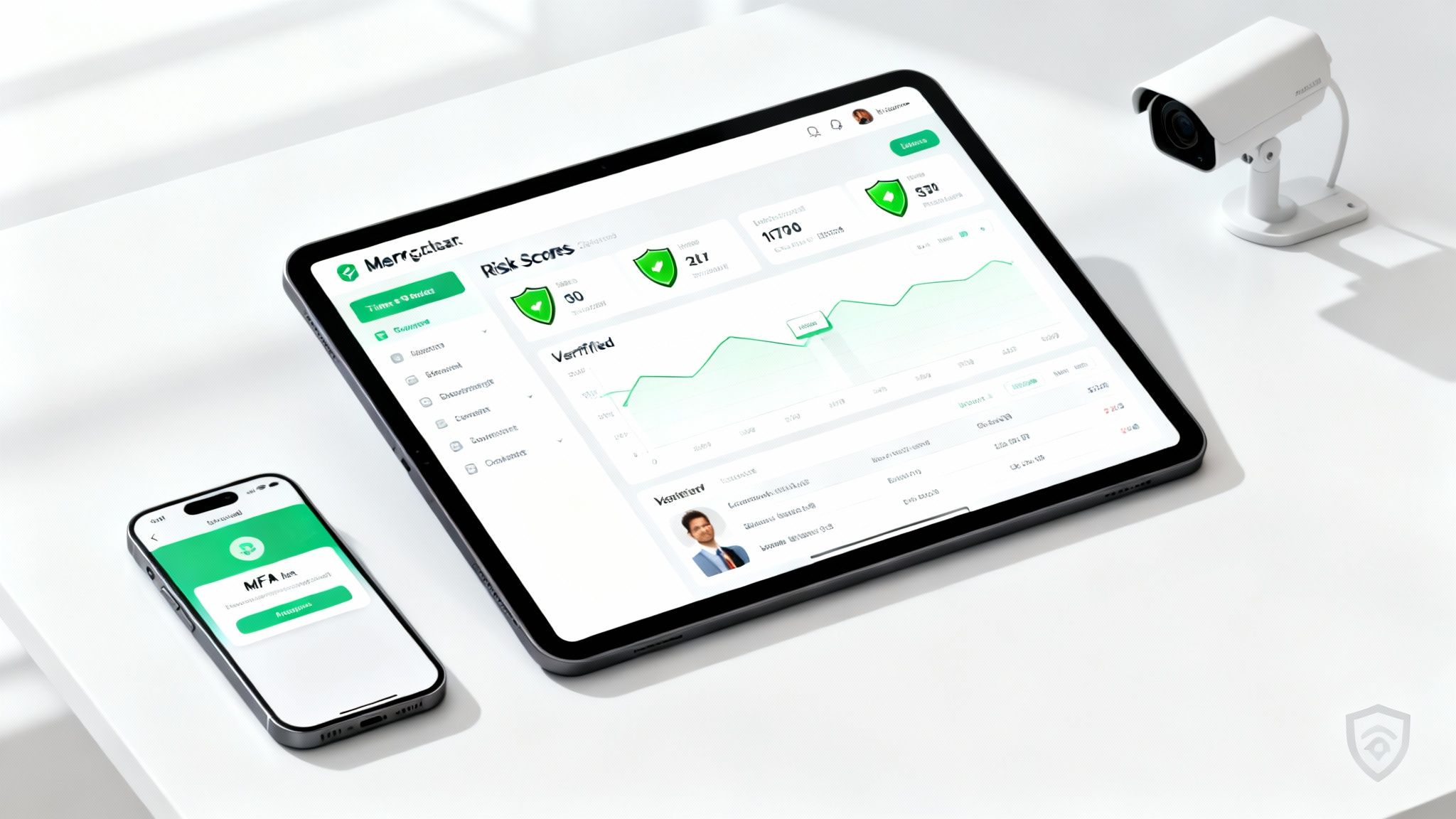
Stopping fraud is like surrounding your shop with cameras, alarms, and a watchful guard dog—thieves think twice before they knock. The core is solid customer checks and careful device profiling.
- Multi-factor authentication that feels smooth but stays tough
- Real-time monitoring dashboards that flag odd behavior instantly
- Continuous screening that blocks bad activity in milliseconds
- Layered device fingerprinting that tracks sessions from start to finish
Together, these act like a fortress gate that only opens for trusted visitors.
Criminals shifted about USD 3.1 trillion in dirty money in 2023, but authorities recovered less than 1%. That shows why real-time monitoring and sharing threat intel are a must. Read the full research on illicit funds circulation
You’ll set alert levels based on your risk comfort—cutting down false alarms without letting real threats slide. Good onboarding nips risky devices in the bud before checkout. Planning these layers early means you won’t scramble when orders surge.
Balancing Security And Convenience
Too many hurdles annoy customers, but an open door invites trouble. Risk-based checks step in only when something feels off.
- Give extra scrutiny to large orders, while smaller buys flow smoothly
- Use email or SMS risk scores to decide when to ask for more verification
- Adjust rules based on device history and location signals
This way, most buyers breeze through, and only the odd cases get extra checks.
ChargePay’s continuous screening blocks risky transactions in real time and shows you insights right where you work. Learn how tokenization cuts fraud in our guide on tokenization in payments.
“A proactive defense can reduce fraud losses by up to 70%.”
Key Takeaways For Merchants
- Layer up your controls before going live
- Watch every transaction with real-time alerts
- Tweak your rules regularly based on new fraud trends
These steps help you build a sturdy shield that protects revenue and reputation.
Long Term Prevention Plan
Scammers evolve, so your defenses should too. Review your fraud data each quarter and tweak controls as new tricks emerge.
- Share anonymized patterns with peers to boost collective smarts
- Train your team to spot social engineering and phishing
A layered, data-driven plan keeps your defenses ready for whatever comes next. Kick off your prevention plan by mapping out where fraud can hit and picking the right controls for your setup.
FAQ
Below are answers to the top questions about bank fraud investigations—so you can move forward confidently.
How Long Does a Bank Fraud Investigation Usually Take?
Most cases wrap up in 5–15 business days, depending on how complicated things get and how complete your initial evidence is.
Cross-border probes can stretch past 15 business days as teams coordinate across time zones.What Rights Do Merchants Have During Representment?
As a merchant, you can:- Submit supporting evidence to fight unfair chargebacks
- Dispute invalid claims with banks and card networks
- Request case reviews if new info could change the outcome
Staying organized and hitting deadlines is key to preserving these rights.
Additional Merchant Questions
How Much Do Advanced Analytics Tools Cost?
- Rule-Based Systems: start at $5,000/year
- AI-Driven Platforms (like ChargePay): range from $20,000 to $100,000/year
Costs usually tie to your transaction volume and feature needs.
How Does ChargePay Integrate With Existing Systems?
ChargePay hooks up via APIs and prebuilt connectors for all major payment services.
Integration usually takes 2–4 weeks, backed by a dedicated team.
Once set up, you handle and monitor disputes right from your dashboard.
“Seamless integration means merchants can tackle disputes from day one,” notes a ChargePay specialist.
For hands-free chargeback management, try ChargePay https://www.chargepay.ai


.svg)



.svg)


.svg)
.svg)
.svg)