


Offering PayPal can boost sales, but it also opens a new door for disputes. Many Shopify store owners find that while PayPal is convenient for customers, it can become a major source of chargebacks. PayPal's dispute process can be tough to navigate, putting your hard-earned revenue at risk every time you make a sale.
But what if you could offer PayPal without the constant fear of losing money? At ChargePay, we've handled over 100,000 disputes for Shopify merchants and recovered more than $2.8 million in lost revenue. With a 92.4% win rate, our AI doesn't just fight chargebacks; it wins them.
This article breaks down how seven major sites using PayPal for payment structure their checkout and what you, a Shopify merchant, can learn from them. We'll analyze their strategies with screenshots and give you direct takeaways to help you reduce fraud and win more disputes. To fully grasp the landscape of online payment options and make informed decisions about integrating PayPal, it's essential to consider a detailed payment processor comparison between Stripe, Square, and PayPal. Our goal is to show you how to turn a potential liability into a secure payment option, protecting your store and your revenue.
1. Walmart
Walmart stands as a foundational example of a massive retailer that successfully integrates PayPal into its payment ecosystem. As one of the most prominent sites using PayPal for payment, Walmart.com allows customers to use this option for a vast array of goods, from daily groceries to high-value electronics, and even for their Walmart+ subscription service.
This integration provides a trusted and speedy checkout experience for millions of shoppers who prefer not to enter their card details directly. For Walmart, offering PayPal helps capture sales from a large demographic that relies on their PayPal balance or linked bank accounts for online purchases.
Strategic Analysis: PayPal at Scale
Walmart's use of PayPal isn't just about adding another payment button; it's a strategic move to lower friction for a massive, diverse customer base. By placing the PayPal option clearly alongside traditional credit cards, Walmart signals flexibility and trust.
- Trust Signal: The PayPal brand carries its own security reputation. For customers buying from third-party marketplace sellers on Walmart.com, using PayPal can feel like an added layer of protection.
- Checkout Speed: PayPal allows for one-click payment, which is crucial for mobile shoppers and repeat buyers. This speed can directly reduce cart abandonment.
- Dispute Implications: While beneficial, accepting PayPal introduces a separate dispute resolution channel outside the credit card networks. This means you must manage both traditional chargebacks and PayPal disputes, each with its own rules and deadlines.
For a Shopify merchant, Walmart’s strategy shows that more payment options can increase conversions but also complicate dispute management. A customer might file a PayPal dispute for the same transaction they also dispute with their credit card issuer, creating a potential double-refund scenario.
Actionable Takeaways for Shopify Merchants
Walmart’s approach offers a clear lesson: embrace popular payment methods but prepare for the operational complexities. You need a system to track and respond to disputes across all the payment gateways you offer.
Managing PayPal disputes requires a different workflow than handling a Visa or Mastercard chargeback. For a busy store owner, this can double the administrative work and increase the risk of missing a response deadline, which often results in an automatic loss. This is where a dedicated solution becomes essential. Our AI at ChargePay handles both, ensuring you fight every dispute effectively, no matter the source.
2. Target
Target showcases how a major retailer can blend its powerful brand identity with the convenience of PayPal. As another key example of sites using PayPal for payment, Target.com offers this option for its curated mix of national brands and popular private-label goods, from clothing and home decor to groceries available for same-day pickup.
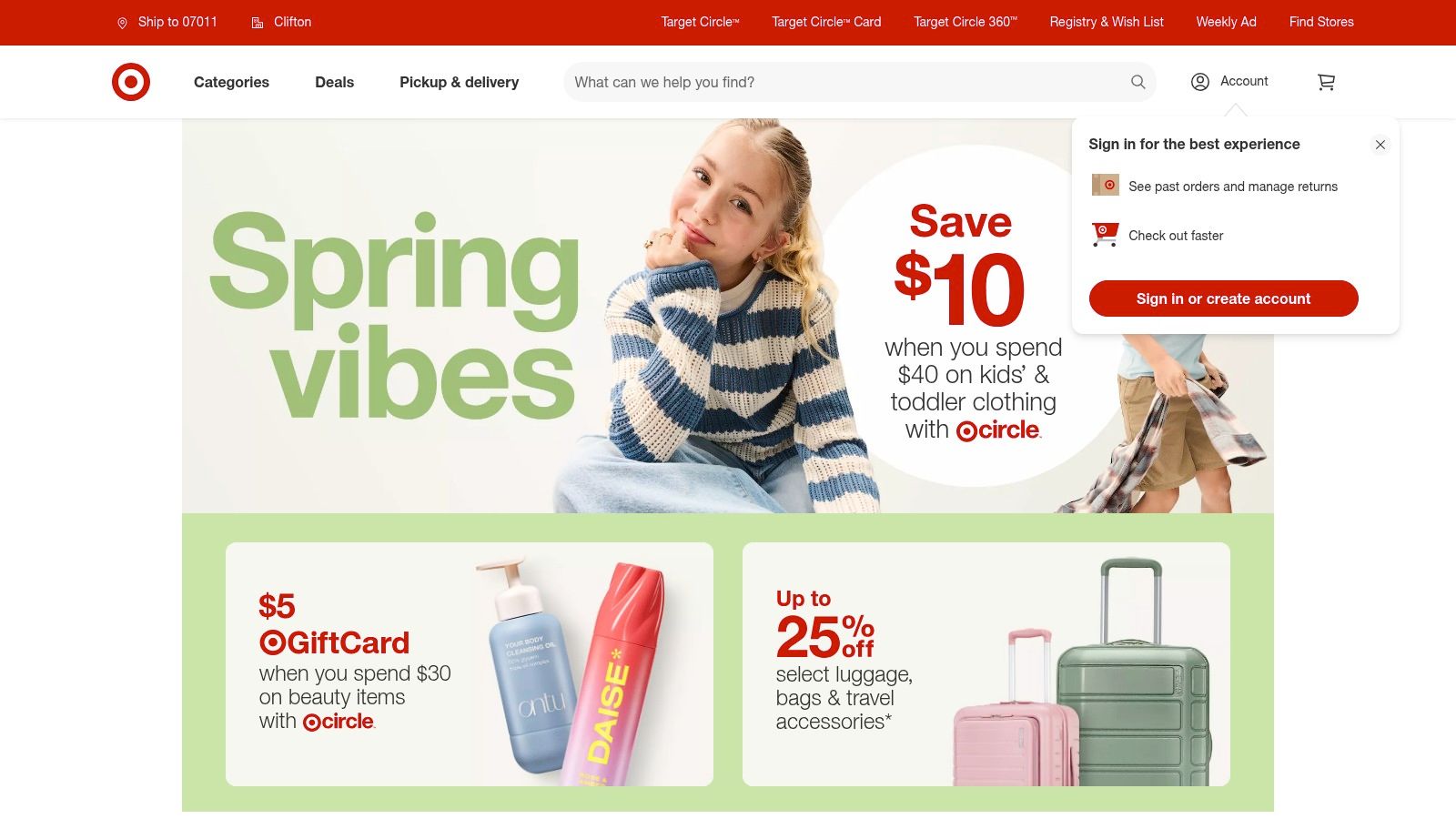
This integration caters directly to Target's digitally-savvy customer base, many of whom are mobile-first shoppers who appreciate the speed of checking out with a PayPal account. For Target, including PayPal is a smart way to simplify transactions, especially for customers taking advantage of their popular same-day fulfillment services like Drive Up and Order Pickup.
Strategic Analysis: PayPal and Customer Loyalty
Target's use of PayPal is integrated with its loyalty program, Target Circle, creating a cohesive shopping experience. The payment choice feels less like a third-party add-on and more like part of the trusted Target ecosystem.
- Mobile Experience: PayPal's one-touch payment is ideal for the Target app, where speed is critical for shoppers building a cart for quick pickup. It removes the need to manually enter card information on a small screen.
- Brand Alignment: Offering a well-known, secure payment method like PayPal aligns with Target's brand image of being reliable and customer-focused. It gives shoppers confidence, especially when buying higher-ticket items online.
- Operational Demands: Just like other large retailers, Target must manage different dispute channels. A customer can initiate a dispute through PayPal for an item they later return in-store, creating a complex reconciliation challenge that requires precise tracking.
For a Shopify merchant, Target’s model highlights the importance of integrating payment options smoothly into your brand experience. However, it also serves as a warning: each new payment gateway is a new potential source of disputes, each with its own rulebook and deadlines.
Actionable Takeaways for Shopify Merchants
The lesson from Target is to make popular payment methods feel like a natural part of your store while being prepared for the backend complexities. Managing PayPal disputes requires a separate process from credit card chargebacks, which can quickly overwhelm a busy Shopify store owner.
Missing a PayPal dispute deadline often means an automatic loss of revenue. This is why having a dedicated system to manage all dispute types is so important. A specialized solution like ChargePay ensures you can fight every dispute from every channel, protecting your bottom line.
3. The Home Depot
The Home Depot, the largest U.S. home-improvement retailer, demonstrates how PayPal can be a valuable payment method for high-ticket items and a diverse customer base of DIYers and professional contractors. As one of the key sites using PayPal for payment, HomeDepot.com integrates it for everything from small tools to large appliances, offering flexibility for big-ticket purchases.

This integration allows customers to use their PayPal balance or linked accounts, which is especially useful for planned, large-scale projects where budgets are managed closely. For The Home Depot, offering PayPal streamlines checkout for both one-off purchases and repeat orders from professional clients who value speed and minimal data entry.
Strategic Analysis: PayPal for High-Value Goods
The Home Depot’s strategy shows that PayPal is effective beyond small, everyday transactions; it’s a trusted option for significant purchases like appliances and building materials. The placement of PayPal alongside traditional cards and The Home Depot’s own credit options caters to a wide range of financial preferences.
- Trust for Large Transactions: For a customer spending over $1,000 on a new appliance, using PayPal can provide a sense of security, as it keeps their credit card information from being directly entered on the site.
- Checkout Efficiency for Pros: Professional contractors often make frequent, large purchases. PayPal’s saved payment details allow them to check out quickly, which is critical when ordering materials for a job site.
- Dispute Risk on High-Ticket Items: A major drawback is the financial risk associated with PayPal disputes on expensive goods. A single lost dispute on a $2,000 refrigerator represents a significant revenue loss, far greater than a dispute on a low-cost item.
For a Shopify merchant selling furniture or electronics, The Home Depot’s model is a valuable lesson. While offering PayPal can boost conversions on high-value items, it also raises the stakes for every dispute. A buyer might claim a high-end product was not as described, initiating a PayPal dispute that puts the entire transaction amount at risk.
Actionable Takeaways for Shopify Merchants
The Home Depot's approach proves that popular payment methods are essential, but they must be paired with a robust system for managing the associated risks, especially for high-value inventory. You must be prepared to defend disputes on expensive products with strong evidence.
Handling a PayPal dispute for a high-ticket item requires a meticulous, evidence-based approach that is different from a standard credit card chargeback. For a busy Shopify merchant, the pressure of a single high-value dispute can be immense, and a missed deadline means an automatic loss. This is why our AI-powered solution at ChargePay is built to handle every dispute with precision, helping you protect your revenue no matter the payment source.
4. Apple
Apple's integration of PayPal into its online store is a masterclass in catering to high-intent, premium buyers. As one of the most recognizable sites using PayPal for payment, Apple.com allows customers to use this option for high-value hardware like MacBooks and iPhones, as well as for accessories. This direct-from-manufacturer channel offers build-to-order options and trade-in programs not always available elsewhere.
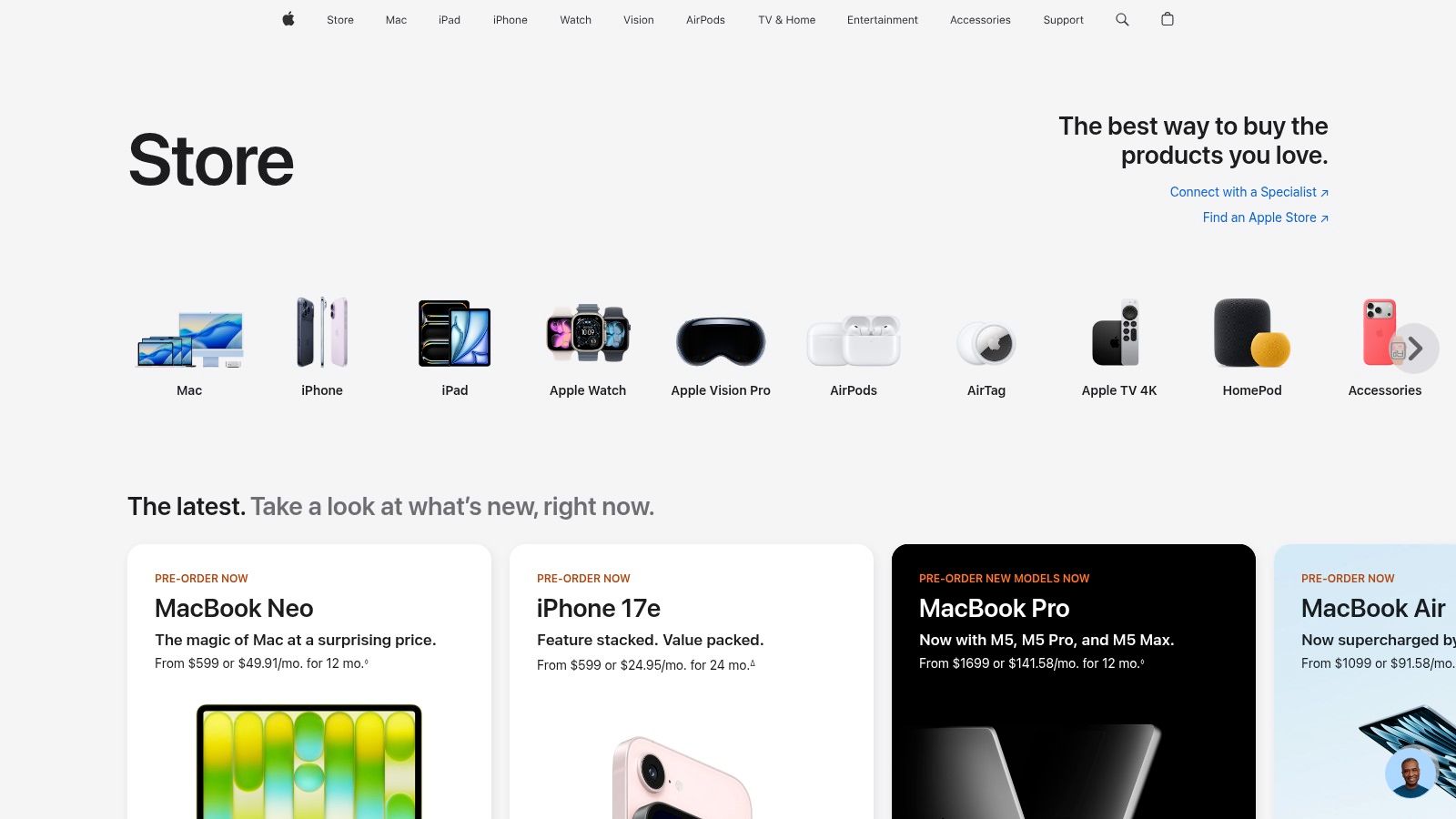
This setup provides a secure and familiar checkout for customers making significant purchases, allowing them to bypass entering card details directly on the site. For Apple, offering PayPal captures a segment of the market that prefers using their PayPal balance, especially for large, considered purchases.
Strategic Analysis: PayPal for High-Ticket Items
Apple's strategy demonstrates how PayPal can anchor trust in high-value transactions. Placing the PayPal button prominently in the checkout flow for a $2,000 laptop signals that Apple accommodates diverse payment preferences, even for its most premium products.
- Trust for Big Purchases: For a customer buying a custom-configured Mac, the PayPal brand adds another layer of security, assuring them their payment information is protected.
- Reduced Friction: The speed of PayPal's checkout is crucial. A customer who has already spent time customizing their device wants a quick and simple payment process, not a complex form.
- Dispute Nuances: Selling high-ticket items through PayPal introduces significant risk. A single fraudulent transaction or friendly fraud dispute on an iPhone can result in a loss of over $1,000. Managing these disputes requires meticulous documentation, from order details to shipping confirmation.
For a Shopify merchant selling expensive goods, Apple’s model is instructive. Accepting PayPal can boost conversions, but it also elevates the financial risk from each dispute. A buyer might claim a high-end product was not as described and file a PayPal dispute, putting the entire sale amount at risk.
Actionable Takeaways for Shopify Merchants
Apple’s approach shows that even with a premium brand, offering flexible payment methods like PayPal is non-negotiable. However, this flexibility demands a robust system for managing the disputes that inevitably follow.
Handling a PayPal dispute for a high-value item requires a different level of evidence and a more urgent response than a typical credit card chargeback. For a merchant, losing a $1,500 dispute because a deadline was missed is a painful, avoidable error. A dedicated solution that can handle disputes from any payment source becomes essential for protecting your revenue. That's exactly what ChargePay does, automating the entire process to win back your money.
5. Microsoft Store
The Microsoft Store represents a premier example of a direct-to-consumer tech giant integrating flexible payment options. As one of the key sites using PayPal for payment, Microsoft.com allows customers to purchase its flagship hardware like Surface and Xbox, as well as software and accessories, using their PayPal account.
This integration is particularly notable for its prominent offering of PayPal’s Buy Now, Pay Later (BNPL) services, including Pay in 4 and Pay Monthly. This gives customers the ability to split the cost of high-value electronics over time, making expensive items more accessible and providing a trusted, convenient checkout process.
Strategic Analysis: PayPal for High-Ticket Items
Microsoft's strategy centers on using PayPal not just as a payment method but as a financing tool to drive sales of premium products. By clearly advertising PayPal Pay Later options on product pages for items like a new Surface laptop, Microsoft directly addresses price sensitivity.
- BNPL as a Sales Driver: Offering PayPal Pay Later reduces the initial financial barrier for customers considering a major purchase, which can significantly lift conversion rates for items over $100.
- Trust in a Digital-First Environment: For digital goods like software or Xbox Game Pass, PayPal offers a familiar and secure payment gateway, encouraging purchases from a global audience that trusts the PayPal brand over entering card details directly.
- Dispute Complexity with BNPL: Integrating BNPL introduces another layer to payment disputes. A customer might initiate a dispute through PayPal over a Pay in 4 installment, creating a unique dispute type that is different from a standard credit card chargeback or a regular PayPal claim. This requires a specific response protocol.
For a Shopify merchant selling high-ticket electronics or subscription boxes, Microsoft's model is insightful. Offering BNPL through PayPal can boost sales, but it also means you must be prepared to manage installment-related disputes. A customer could dispute a single payment in a series, complicating the order's financial status and your revenue reconciliation.
Actionable Takeaways for Shopify Merchants
Microsoft's approach teaches a valuable lesson: embrace modern payment solutions like BNPL but build a system to handle the specific dispute types they create. Managing a dispute over a Pay in 4 plan requires understanding PayPal's specific rules for installment payments.
Failing to properly address these unique BNPL disputes can lead to automatic losses and revenue leakage. This is where manual tracking becomes a liability. A dedicated tool is necessary to navigate the rules of each payment channel, ensuring you can fight and win every dispute, regardless of its origin. This is precisely why ChargePay exists; our AI-powered system automates the response process for all dispute types, helping you recover revenue from complex cases originating from PayPal, credit cards, and more.
6. Nike
Nike represents a premier example of a direct-to-consumer brand using PayPal to enhance its checkout for high-demand product launches. As a key destination among sites using PayPal for payment, Nike.com integrates this option for its entire catalog, from general apparel to limited-edition sneaker drops, providing a faster way for customers to complete coveted purchases.
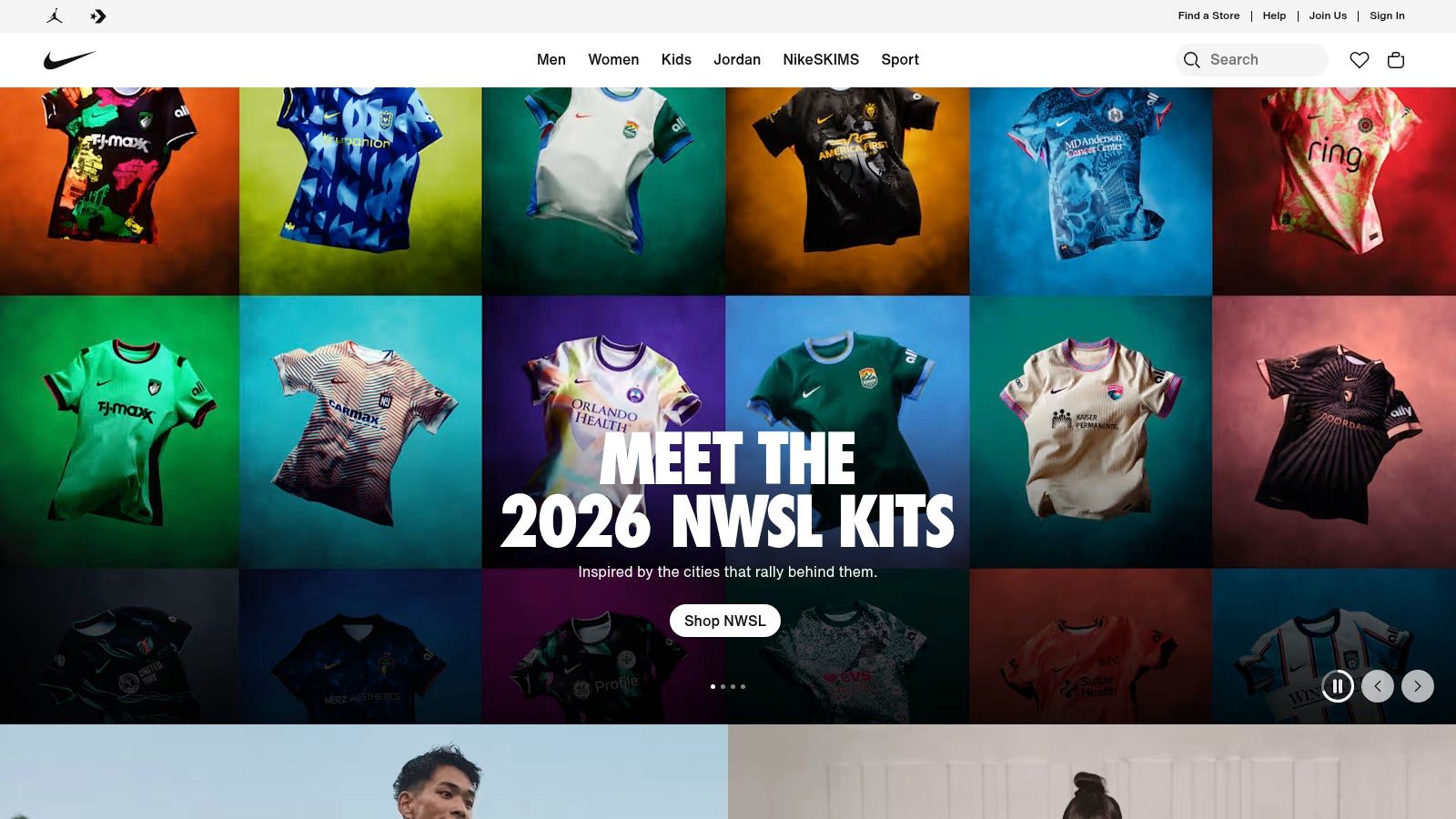
This integration gives millions of Nike Members and guests a trusted payment method that bypasses manual card entry. For Nike, offering PayPal is crucial for converting sales during high-traffic "drop" events where checkout speed determines whether a customer secures a product or not.
Strategic Analysis: PayPal for High-Velocity Sales
Nike’s use of PayPal is a tactical decision aimed at reducing friction in a competitive, time-sensitive environment. By featuring PayPal prominently, Nike caters to a customer segment that prioritizes speed and security for high-value items.
- Conversion Speed: For limited-release sneakers, every second counts. PayPal’s one-click payment functionality can be the difference between a successful purchase and an "out of stock" message, directly impacting sales and customer satisfaction.
- Billing Agreements: Nike uses PayPal billing agreements, which pre-authorize payments but only capture funds when an item ships. This creates a specific type of transaction that can lead to unique dispute scenarios if a customer forgets about the pre-authorization.
- Dispute Complexity: The delay between order placement and fund capture can increase the likelihood of "friendly fraud" disputes. A customer might see a charge weeks later, not recognize it, and file a PayPal dispute, claiming it was unauthorized.
A Shopify merchant selling limited-run products can learn from Nike's model. While fast checkouts drive sales, the use of billing agreements and delayed captures requires careful dispute management. A customer might successfully dispute a charge for a product they received simply because they forgot about the order placed weeks prior.
Actionable Takeaways for Shopify Merchants
Nike’s strategy highlights the importance of accommodating fast-moving sales with quick payment options, but it also underscores the need for robust dispute management. You must have a system prepared to handle the specific dispute types that arise from different payment flows.
Managing PayPal disputes, especially those related to pre-authorizations and delayed captures, follows a different process than credit card chargebacks. For a busy Shopify merchant, this adds another layer of complexity. Missing a PayPal dispute deadline guarantees a loss. With an AI-powered solution like ChargePay, you can automate responses for both PayPal disputes and traditional chargebacks, ensuring no deadline is missed and you have the best chance to win every case.
7. Etsy
Etsy’s marketplace for handmade and vintage goods represents a unique model for integrating PayPal. As one of the most popular sites using PayPal for payment, Etsy funnels transactions through its centralized Etsy Payments system. This means that while buyers can enjoy the familiarity and security of paying with PayPal, the sellers themselves don't interact directly with the PayPal transaction; their funds are processed and paid out by Etsy.
This structure allows millions of buyers to use their preferred payment method, redirecting them to PayPal for authorization before returning them to Etsy to complete the order. For the thousands of small creators on the platform, it simplifies payment processing into a single, unified system, removing the need to manage a separate PayPal business account for their shop.
Strategic Analysis: PayPal in a Centralized Marketplace
Etsy’s approach abstracts the payment process for its sellers. PayPal is a buyer-facing option, but the backend settlement is handled entirely by Etsy Payments. This creates a controlled environment that benefits both buyers and sellers.
- Trust for Niche Purchases: Buyers purchasing unique, custom-made items from individual artists often seek extra assurance. The PayPal brand provides a layer of trust and buyer protection that encourages conversions for these small, independent sellers.
- Simplified Payouts: Sellers receive consolidated payouts from Etsy, regardless of whether the buyer used a credit card, PayPal, or another method. This eliminates the complexity of tracking funds across multiple payment processors.
- Unified Dispute Channel: When a buyer files a dispute on a PayPal transaction, it goes through Etsy’s resolution system first, not directly to the seller’s PayPal account. Etsy acts as the intermediary, which standardizes the dispute management process for its sellers.
For a Shopify merchant, Etsy’s model highlights a key challenge: when you accept PayPal directly, you are the one responsible for managing PayPal’s unique dispute rules. A customer can open a PayPal case, which has a different workflow and evidence requirements than a standard credit card chargeback, forcing you to fight on two fronts.
Actionable Takeaways for Shopify Merchants
Etsy's strategy shows the value of a unified dispute system, something independent stores lack. When you offer PayPal on Shopify, you must be prepared to handle both chargebacks from credit card issuers and disputes directly from PayPal.
This dual-front defense is where many merchants lose revenue. A missed PayPal dispute deadline is an automatic loss, and the evidence needed can differ from a chargeback. You need a system that can manage both effectively. For a deeper understanding of the risks involved, you can learn more about PayPal fraud protection and its impact on merchants. This is why having a solution like ChargePay, which handles disputes from all sources including PayPal, is so critical for protecting your bottom line.
PayPal Support: 7 Major Retailers
Stop Losing Money to PayPal Chargebacks Today
We've explored how some of the world's biggest brands, from Walmart to Etsy, integrate PayPal into their checkout flows. It’s clear that while these sites using PayPal for payment benefit from increased trust and conversions, they also take calculated steps to protect themselves from the financial drain of chargebacks.
The key takeaways from their strategies are simple but powerful. Requiring confirmed shipping addresses, only capturing payments after an order ships, and maintaining flawless transaction records are not just suggestions; they are essential defensive tactics. These actions create a strong foundation for winning any disputes that arise.
From Manual Defense to Automated Victory
The problem is that manually applying these tactics to every single PayPal dispute is a massive time-sink. You didn't start your business to become a full-time chargeback analyst, yet every dispute that you ignore or handle poorly is money walking out the door. The time spent gathering evidence, writing responses, and tracking deadlines adds up fast, pulling you away from growing your business.
To proactively tackle the issue of chargebacks and protect your online store's revenue, it is crucial to implement robust strategies such as these Ecommerce Fraud Prevention Best Practices. Combining these preventative measures with an automated response system creates a powerful defense for your revenue.
This is where automation becomes your most valuable asset. Instead of fighting a losing battle against a constant stream of disputes, you can turn the process over to a system built to win.
Why Automation Is Your Best Bet Against Chargebacks
ChargePay was created specifically for this challenge. Our AI-powered system automates the entire dispute management process for Shopify merchants. We don't just help you fight chargebacks; we win them for you.
Here’s what that looks like in real numbers:
- 92.4% Win Rate: Our AI has successfully handled over 100,000 disputes.
- $2.8M+ Recovered: We’ve put millions of dollars back into the pockets of Shopify merchants just like you.
- 'Built for Shopify' Certified: We meet Shopify's highest standards for performance, quality, and user experience, confirmed by our 4.9-star rating on the Shopify App Store.
Stop letting PayPal chargebacks erode your profits. You can implement the same level of protection as the major brands we analyzed, but without the manual effort. Let our AI turn your dispute notifications into recovered revenue.
Ready to stop losing money and start winning? Install ChargePay from the Shopify App Store today. Our AI handles every detail of your PayPal chargebacks, turning costly disputes into recovered funds automatically.


.svg)



.svg)


.svg)
.svg)
.svg)