

Return fraud isn’t a side issue anymore. It’s a margin killer hiding inside your returns workflow.
Retailers saw $706 billion in merchandise returns in 2025, and 14.2% of that, or $100 billion, was classified as preventable loss tied to fraud and abuse, according to Retail Customer Experience coverage of the 2025 returns loss data. If you run a Shopify store, that number matters because the same patterns hitting large retailers hit you faster. You don’t have their headcount, their fraud teams, or their tolerance for leakage.
What makes return fraud so brutal is how ordinary it looks. A return request arrives. A customer says the item didn’t fit, wasn’t as described, or showed up damaged. Your team wants to keep the buyer happy, process the refund, and move on. That’s exactly where money slips out of the business.
Most merchants treat return abuse like weather. Annoying, unavoidable, and part of selling online. That’s a mistake. A lot of this loss is controllable if you tighten policy, inspect better, document everything, and prepare for the chargeback that often follows a shady return.
Your Store Is Leaking Money Through Return Fraud
The ugly part of return fraud is that it rarely shows up as one clean line item.
It spreads across refunds, lost inventory, shipping costs, unsellable units, support time, and chargebacks. You feel it in lower margins and messy ops long before you label it correctly.
Returns are not the same as return fraud
A normal return is a customer service cost. Return fraud is when someone uses your policy to get product, money, or both without playing fair.
That can mean:
- Wearing and returning an item after use
- Sending back a different product than the one you shipped
- Claiming damage or mismatch to force a refund
- Triggering a chargeback after the refund process goes sideways
If you’re seeing a spike in “damaged,” “didn’t match photos,” or “missing item” complaints, don’t assume it’s all merchandising. Some of it may be abuse hiding inside your normal return flow.
Small leaks turn into real losses fast
A lot of Shopify owners only count the refunded order. They don’t count:
- Reverse shipping costs
- Warehouse inspection time
- Inventory write-offs
- Customer support back-and-forth
- Chargeback fees when the buyer escalates
That’s why return fraud is so dangerous. The first loss is obvious. The rest shows up in operational drag.
Practical rule: If a return leaves your team confused, rushed, or unable to verify what happened, you’re not just handling a return. You’re handling fraud risk.
You also need to separate avoidable returns from abusive ones. Product issues, sizing confusion, and weak merchandising create legitimate returns. If you haven’t looked closely at those causes, start with this breakdown of common reasons for returns. Cleaner operations reduce noise, and less noise makes fraud easier to spot.
Stop treating it like background loss
You don’t need to eliminate every bad return. You need to stop approving obvious abuse, stop refunding without evidence, and stop losing the chargeback that follows.
That starts with understanding why customers do this in the first place.
Understanding Return Fraud And Why It Happens
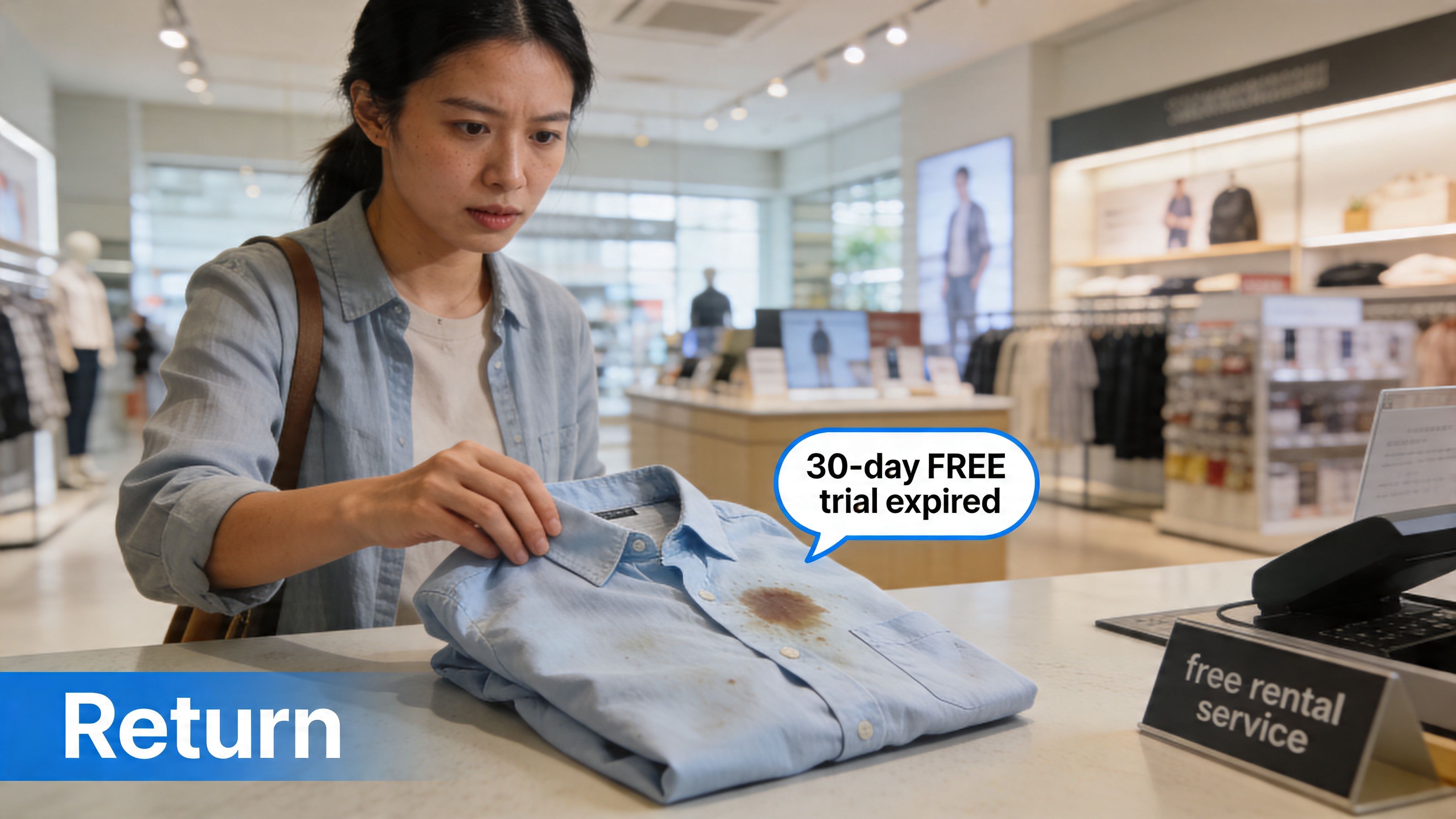
Return fraud is what happens when a customer treats your store like a free rental service, a backup bank account, or a target.
Some people buy with the intent to return after use. Others push policy boundaries because they think you won’t fight back. A smaller group is openly dishonest from the start.
It’s not always organized fraud
A lot of merchants imagine return fraud as a ring of professional scammers. That exists, but many losses come from regular customers making selfish decisions.
A 2025 report highlighted return fraud and chargebacks as “petty vengeance” against perceived corporate greed amid inflation, with 60% wardrobing and 55% stolen payment returns noted in that reporting from Business Insider. That matters because it explains the mindset. Some buyers don’t see themselves as thieves. They see themselves as evening the score.
That makes this harder to detect. These customers often look like normal shoppers until they don’t.
The motives are messy, but the behavior is predictable
You’ll usually see one of these drivers behind return fraud:
- Entitlement: The customer thinks generous policy means no consequences.
- Convenience: They order multiple versions, keep one, then push the return process beyond what your store can handle cleanly.
- Financial pressure: They need cash back and start inventing defects, damage, or delivery issues.
- Low perceived risk: They believe your team won’t inspect closely or contest a bad claim.
The fraud itself may look simple. The psychology behind it is why it keeps happening. People repeat what works.
Friendly fraud and return fraud overlap
Many Shopify stores thus get burned twice.
A customer abuses the return process, gets denied, then files a payment dispute. Or they get a refund delay, panic, and claim the charge was unauthorized or the product wasn’t right. The return issue becomes a chargeback issue.
If you want a deeper look at that overlap, read this guide on friendly fraud. The short version is simple. When your return process is loose, undocumented, or inconsistent, it gives bad actors room to escalate.
A weak returns workflow doesn’t just create refund loss. It creates evidence problems later.
Why this keeps getting worse
Online brands are under pressure to offer easy returns. Shoppers expect speed, convenience, and little friction. Fraudsters know that.
If your store auto-approves too much, refunds before inspection, or lets support agents make judgment calls without a clear process, you’re training abusive customers to keep going.
You don’t need to become hostile to honest buyers. You do need to stop rewarding bad behavior.
The Most Common Types Of Return Fraud Schemes
Return fraud comes in a few repeatable forms. Different products attract different schemes, but the playbook doesn’t change much.
One signal deserves attention right away. During the 2025 to 2026 holiday season, “significantly not as described” claims drove 48% of all returns, including fraudulent, abusive, and legitimate ones, according to Digital Commerce 360. That reason code matters because it gives cover to all kinds of nonsense.
The schemes that hit Shopify merchants most often
Wardrobing
This is the classic buy, use, return move.
Fashion stores see it with eventwear, shoes, and accessories. Electronics stores see the same pattern around short-term use cases. The buyer wants temporary access, not ownership.
Clues include removed tags, worn soles, deodorant marks, packaging that looks reassembled, or suspiciously fast returns right after a weekend or holiday.
Price switching
A customer buys a higher-value item and sends back a cheaper version, a similar-looking item, or a counterfeit substitute.
This hits hard in electronics, beauty devices, luxury accessories, and branded goods. If your team doesn’t verify serial numbers, SKU details, or product condition carefully, you’ll refund the order and restock garbage.
Empty box returns
The customer claims to have returned the product, but the box arrives empty or packed with filler.
This usually becomes a logistics argument. The buyer says they sent it. Your warehouse says nothing was inside. If you don’t have intake photos, package weight records, or a documented check-in process, you’ll struggle to prove anything.
SNAD abuse
SNAD means “significantly not as described.” Sometimes it’s valid. Often it becomes a catch-all excuse.
Buyers use it when they want a stronger refund claim than “changed my mind.” It can hide bracketing abuse, product swapping, use-and-return behavior, or attempts to bypass final-sale terms.
Different item returns
This is close to price switching, but broader. The customer sends back the wrong color, a damaged older version, an item from another retailer, or a used unit they already owned.
Your returns team only catches this if they compare the returned item to the original order carefully instead of just matching the category.
Common Return Fraud Tactics
| Fraud Type | Description | Example |
|---|---|---|
| Wardrobing | Buying an item for short-term use, then returning it as if unused | A shopper wears a dress to an event and sends it back with the tags removed |
| Price switching | Returning a cheaper or different version to get a full refund on the original | A buyer orders a premium device and returns a lower-value lookalike |
| Empty box return | Shipping packaging back without the purchased product inside | A customer mails back the branded box with filler but keeps the item |
| SNAD abuse | Claiming the item was not as described to force approval or bypass policy | A customer says a product was wrong or defective without clear proof |
| Different item return | Sending back an unrelated, old, or damaged item instead of the purchased one | A shopper returns a used unit they already owned in place of the new one |
Why these schemes hurt more than the refund
The direct refund loss is only part of the damage.
You also get:
- Bad inventory data
- Restocking mistakes
- Time wasted by support and ops
- Evidence gaps when the dispute comes later
One reason these scams work is that many stores separate returns from payments. The warehouse sees the package. Support handles the complaint. Finance sees the chargeback later. Nobody builds one clean record from purchase to return to dispute.
That split is expensive.
For a closer look at when return abuse turns into a payment dispute, this guide on the return item chargeback is worth reading.
If your returns team and dispute workflow don’t share evidence, fraudsters get two chances to beat you.
Spotting The Red Flags Of Return Abuse
Most bad returns announce themselves early. Merchants miss them because the signals sit across different systems.
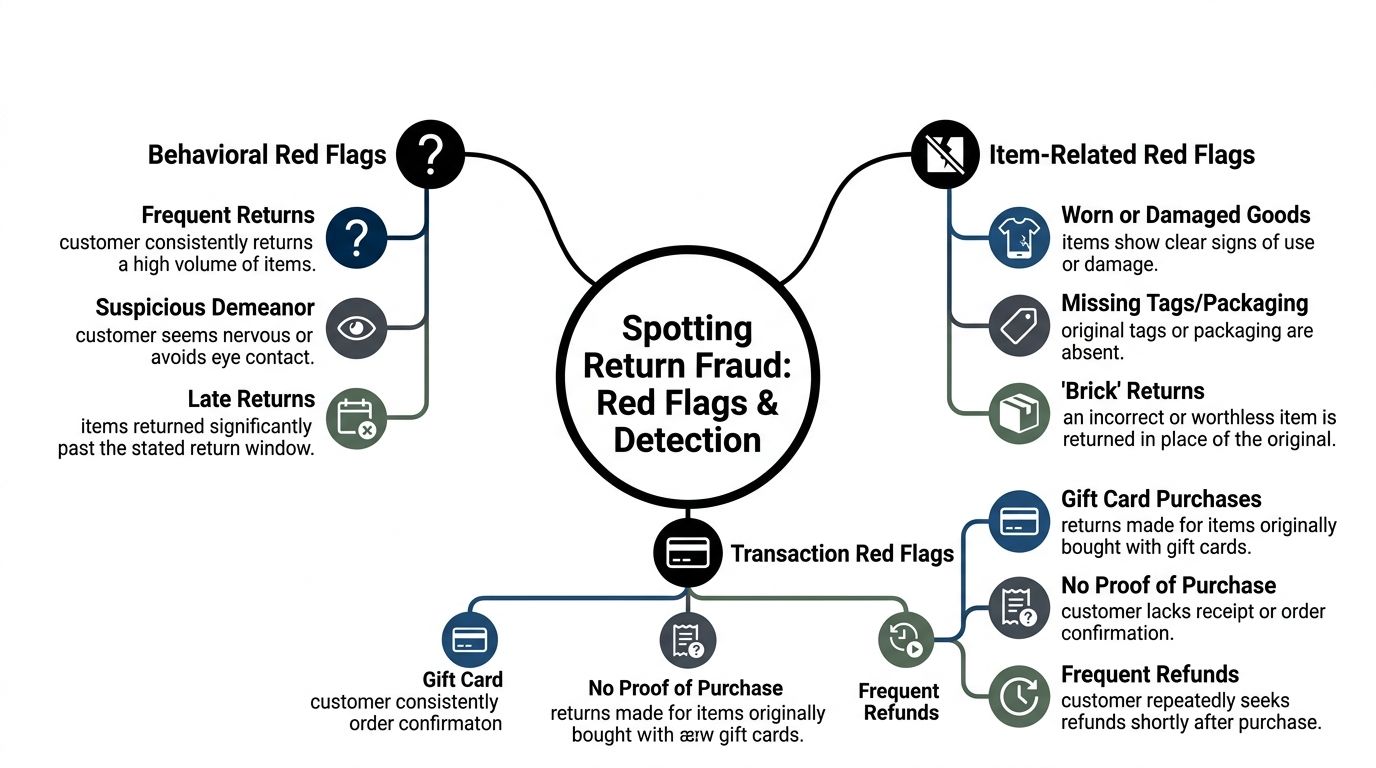
A support agent sees a rude message. Shopify shows a pattern of high-return orders. The warehouse notices damaged packaging. Payment data points to risky behavior. On their own, each clue looks weak. Together, they tell you who deserves extra review.
Behavioral signs you shouldn’t ignore
You don’t need a giant fraud team to catch patterns. Start with behavior.
Look closely at customers who:
- Return constantly: Especially when they rarely keep full-price items
- Buy for events or short windows: Then return right after the likely use date
- Escalate fast: They jump from support request to refund demand to chargeback threat
- Change stories: First it didn’t fit, then it arrived damaged, then it was the wrong item
If the same customer keeps creating messy exceptions, stop calling it customer service noise. It’s a risk pattern.
Item and packaging red flags
Returned merchandise tells a story if your team looks.
Watch for:
- Missing tags or original packaging
- Clear wear, cosmetic damage, or odor
- Mismatched serials, colors, or models
- Boxes that look re-taped, underfilled, or suspiciously light
For higher-risk categories, your warehouse should inspect returns like evidence, not like routine mail.
Transaction signals that AI handles better than people
Some patterns only show up when you analyze them across orders.
According to Omniful’s write-up on AI-powered return fraud scoring, AI systems can flag high-risk requests with 85% to 95% precision, and models trained on return frequency can identify risk because more than 3 returns per month flags 70% of fraud cases. The same source says these high-value trend models can cut fraud by over 25%.
That’s useful because human review breaks down when volume climbs. A person may miss:
- Multiple accounts tied to one address
- Repeated returns on expensive SKUs
- Disposable email use
- Strange shifts from low-value purchases to high-ticket return activity
A simple triage model
Use three buckets for every return request:
Low risk
Clear purchase history, normal timing, item matches policy. Approve and move quickly.Medium risk
Some friction is warranted. Ask for photos, packaging shots, or product condition confirmation.High risk
Hold refund until inspection. Verify SKU or serial details. Keep every message, timestamp, and tracking event.
Warehouse rule: No same-day refund on a suspicious return just because support wants to close the ticket.
That one discipline alone prevents a lot of avoidable losses.
Building Your Store's Defense With Smart Policies
Most return policies are too soft, too vague, or too buried to protect anyone.
If your policy says “easy returns” and little else, fraudsters hear “push until someone approves it.” Clear rules don’t scare off good customers. Sloppy rules attract bad ones.

Your policy should do three jobs
A strong policy should:
- Set expectations before purchase
- Give your support team something enforceable
- Create written evidence when a buyer disputes a charge
That last point matters more than most merchants realize. If the customer files a chargeback, your published return terms become part of your defense.
Data backs up stricter controls. Chargeflow’s analysis of return fraud benchmarks says 84% of retailers are adopting stricter measures like 30-day return windows and real-time return approvals, and these measures can reduce losses from return fraud by up to 30% to 40%.
Clauses worth adding now
Don’t write legal fluff. Write terms your team can enforce.
Include language covering:
- Return window: State the exact number of days.
- Condition requirements: Unworn, unused, unwashed, with original tags and packaging where applicable.
- Inspection before refund: Make it clear refunds are issued after review, not on package scan alone.
- High-risk categories: Final sale, hygiene-sensitive items, personalized goods, and select electronics may need special handling.
- Refund method: Refund to original payment method where allowed by your process.
- Proof standards: Order number, photos for damage claims, and product-specific verification if needed.
For merchants refining policy language, this guide to a better Shopify refund policy is a solid reference point.
Don’t hide the rules
A policy no one reads won’t help you in a dispute.
Put it:
- On the product page when category-specific rules apply
- In the footer
- In order confirmation emails
- In the return portal
- In support macros
If your team gives exceptions, log them. Random exceptions train customers to argue.
Here’s a useful walkthrough on tightening refund terms without wrecking the customer experience.
Smart policy beats generous policy
Many merchants worry that stricter rules will hurt conversion. Maybe in a few edge cases. But weak policies hurt profitability every day.
You don’t need an unfriendly policy. You need one that is specific, visible, and enforced the same way every time.
A return policy should read like an operating manual, not a marketing slogan.
Practical Operational Controls For Shopify Merchants
Policy is the script. Operations are the actual defense.
If your team can’t enforce what your site promises, customers will find the gap. That’s why return fraud prevention has to live inside your daily workflow, not just on a page in the footer.
Put every return through an approval path
Don’t accept random returns with no structure.
Use an RMA process so every request is tied to:
- The original Shopify order
- The item being returned
- The reason code
- The approval date
- The tracking number
- The inspection outcome
That gives you a clean chain of custody. It also stops support from approving vague requests that warehouse staff can’t verify later.
For higher-risk items, require additional proof before you issue the RMA. A photo of the product, packaging, visible defect, or serial sticker can save you hours later.
Train your warehouse like a fraud filter
Most return losses happen because intake is too casual.
Your receiving team should:
- Photograph the package before opening if the return looks suspicious
- Photograph the contents during inspection
- Compare SKU, color, size, and serial information against the original order
- Document missing accessories or packaging
- Record condition in plain language that support and dispute teams can use
This is especially important for electronics, supplements, beauty devices, and premium apparel. If the returned item can’t be resold, you need proof of why.
Build evidence while the case is fresh
When a fraudulent return turns into a chargeback, the winner is usually the merchant with better records.
Keep:
- Order confirmation
- Delivery confirmation
- Return approval messages
- Policy acceptance evidence
- Return tracking
- Warehouse inspection photos
- Notes explaining why the return was denied or partially accepted
Don’t wait for the chargeback to start gathering this. By then, details are already missing.
Good evidence is boring. That’s why it wins.
Handle cross-border returns more carefully
International returns create extra blind spots.
Carrier handoffs, customs delays, packaging changes, and weaker visibility make verification harder. If you sell cross-border, use tighter review on expensive items and keep every tracking and communication record tied to the order. You need a stronger paper trail because international return disputes get messy fast.
Keep one owner accountable
A lot of stores let returns bounce between CX, ops, and finance. That’s where fraud slips through.
Give one person or one small team ownership over:
- Return rule enforcement
- Exception approvals
- Escalated suspicious cases
- Chargeback evidence handoff
When nobody owns return fraud, everybody pays for it.
Automate Your Defense And Win More Chargebacks
Manual fraud control breaks once volume climbs. Your team gets busy, approvals get inconsistent, evidence gets lost, and bad customers figure out exactly where to push.
That’s why automation matters. Not because it sounds modern. Because humans are bad at repetitive forensic work under deadline.
The real job is evidence assembly
Stopping return fraud isn’t only about blocking suspicious refunds. It’s also about winning the payment dispute when the customer escalates.
That means pulling together:
- The original order details
- Delivery proof
- Return policy terms
- Return request timestamps
- Inspection notes
- Photos
- Communication history
Most Shopify stores don’t lose because they were completely wrong. They lose because the evidence package was weak, late, or inconsistent.
Where automation actually helps
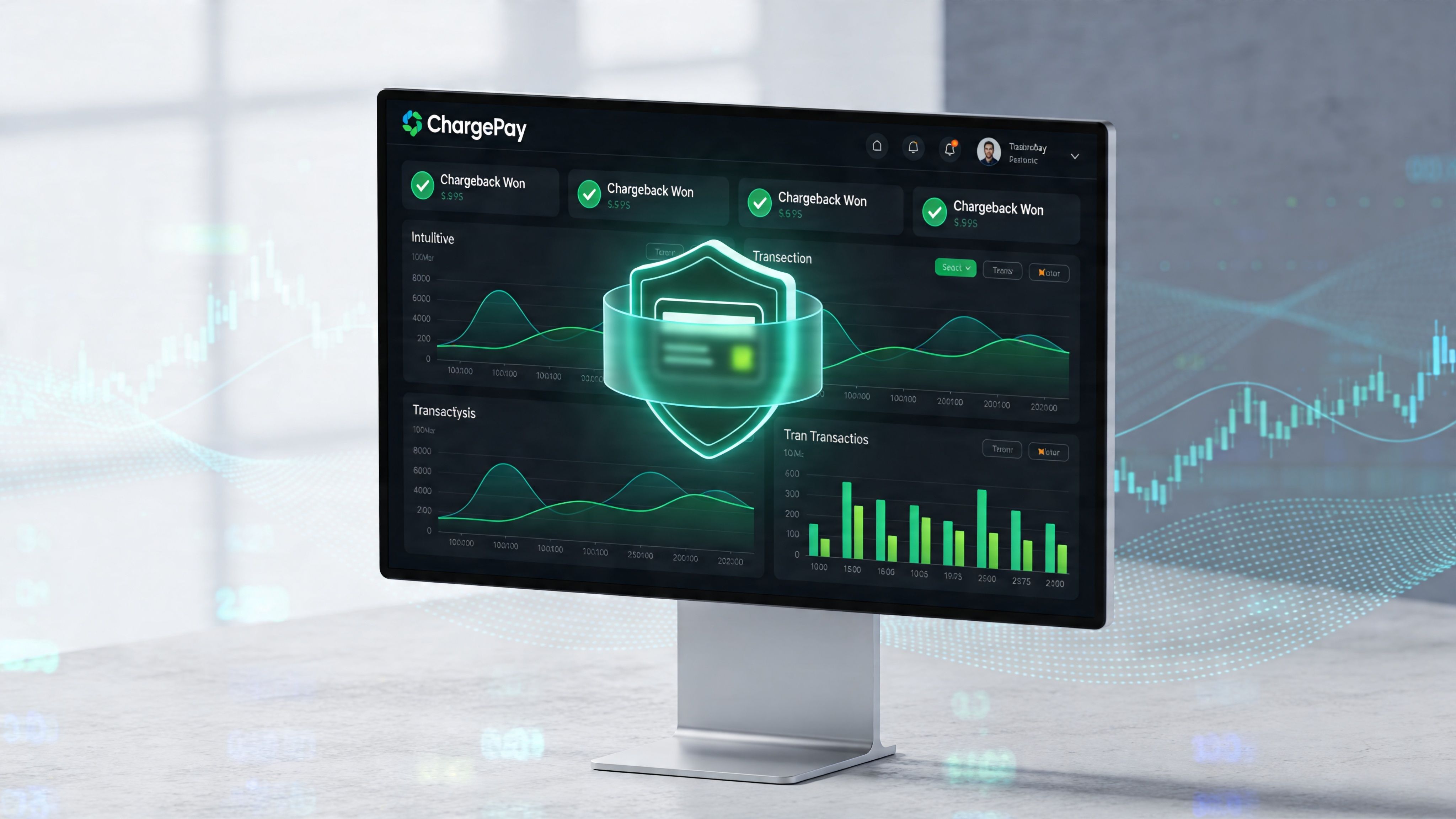
A good system should:
- Detect likely friendly fraud
- Pull return and order data automatically
- Build a dispute response around the reason code
- Submit before deadlines
- Track outcomes so you can improve policy and ops
If you’re still handling this through spreadsheets, inboxes, and ad hoc screenshots, you’re making expensive work even harder.
For a deeper look at how automated dispute workflows work in practice, read this complete guide to automated chargeback and dispute management using AI.
Why this matters for Shopify merchants specifically
Shopify brands move fast. New products launch, support tickets stack up, and returns spike around promotions, gifting periods, and seasonal changes.
That environment rewards automation because it gives you consistency. Every suspicious case gets the same scrutiny. Every dispute gets built from the same evidence standard. Every policy breach gets documented in a format you can use.
That’s how you stop return fraud from turning into refund loss first, then chargeback loss second.
Return Fraud FAQs For Shopify Store Owners
Can I ban a customer for repeated return abuse
Yes, in many cases you can refuse future business, cancel orders, or restrict returns if the customer repeatedly abuses your policy. Do it carefully and consistently.
Document the behavior. Keep support messages, return history, and inspection notes. If you act randomly, you create more problems than you solve.
Do free returns increase return fraud
They can. Free returns reduce friction for honest customers, but they also lower the cost of bad behavior.
If you offer free returns, tighten the process around condition checks, approval rules, and evidence collection. Convenience without controls invites abuse.
Should I refund before the item is inspected
For suspicious returns, no.
Fast refunds feel customer-friendly, but they remove your main point of control. If the return arrives empty, used, swapped, or damaged, you’ve already lost the money.
What if the customer says the item was not as described, but my policy says otherwise
Policy helps, but evidence matters more.
You need product photos, listing details, order records, return messages, and inspection notes. If the customer later disputes the payment, the bank will care about what you can prove, not what you meant.
Is return fraud the same as chargeback fraud
Not exactly.
Return fraud happens inside the returns process. Chargeback fraud happens when the buyer disputes the payment. But they overlap constantly, especially when a return denial or delay pushes the customer into filing a dispute.
What’s the first operational fix I should make
Start with return approvals and inspection documentation.
If every return request is logged, approved properly, and checked against the original order before refund, you’ll catch more abuse immediately and build better evidence for disputes later.
If return fraud is eating into your margins, stop handling chargebacks by hand. ChargePay is built for Shopify merchants and automatically fights disputes using AI, pulling together the evidence you already have across orders, delivery, returns, and customer communication. ChargePay has a 92.4% win rate, has handled 200K+ disputes, and recovered $10.8M+ for merchants. It also carries a 4.9-star rating on the Shopify App Store and a Built for Shopify badge. The pricing is pay-per-win, so you only pay when money is recovered. Install ChargePay from the Shopify App Store and stop letting return fraud turn into lost revenue.


.svg)



.svg)


.svg)
.svg)
.svg)